Selected stories I reported at the Banner as an intern in 2024
Click to see my other stories at the Banner, covering courts, criminal justice, health, education, community and breaking news
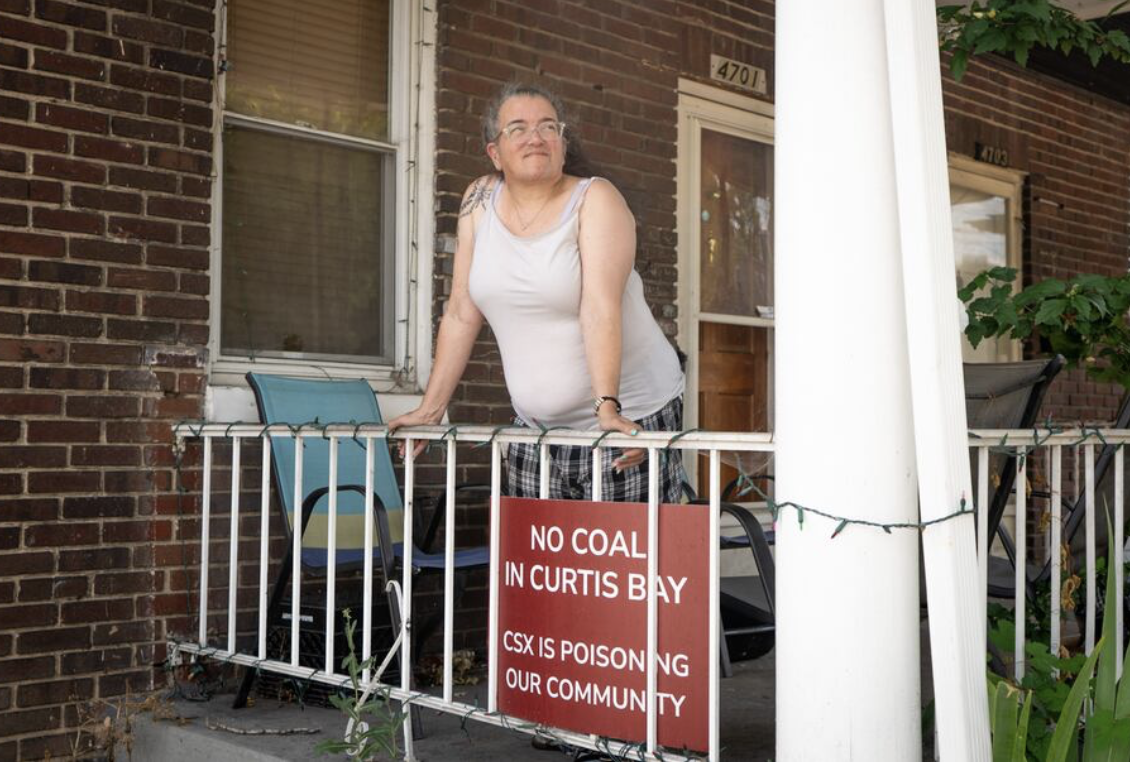
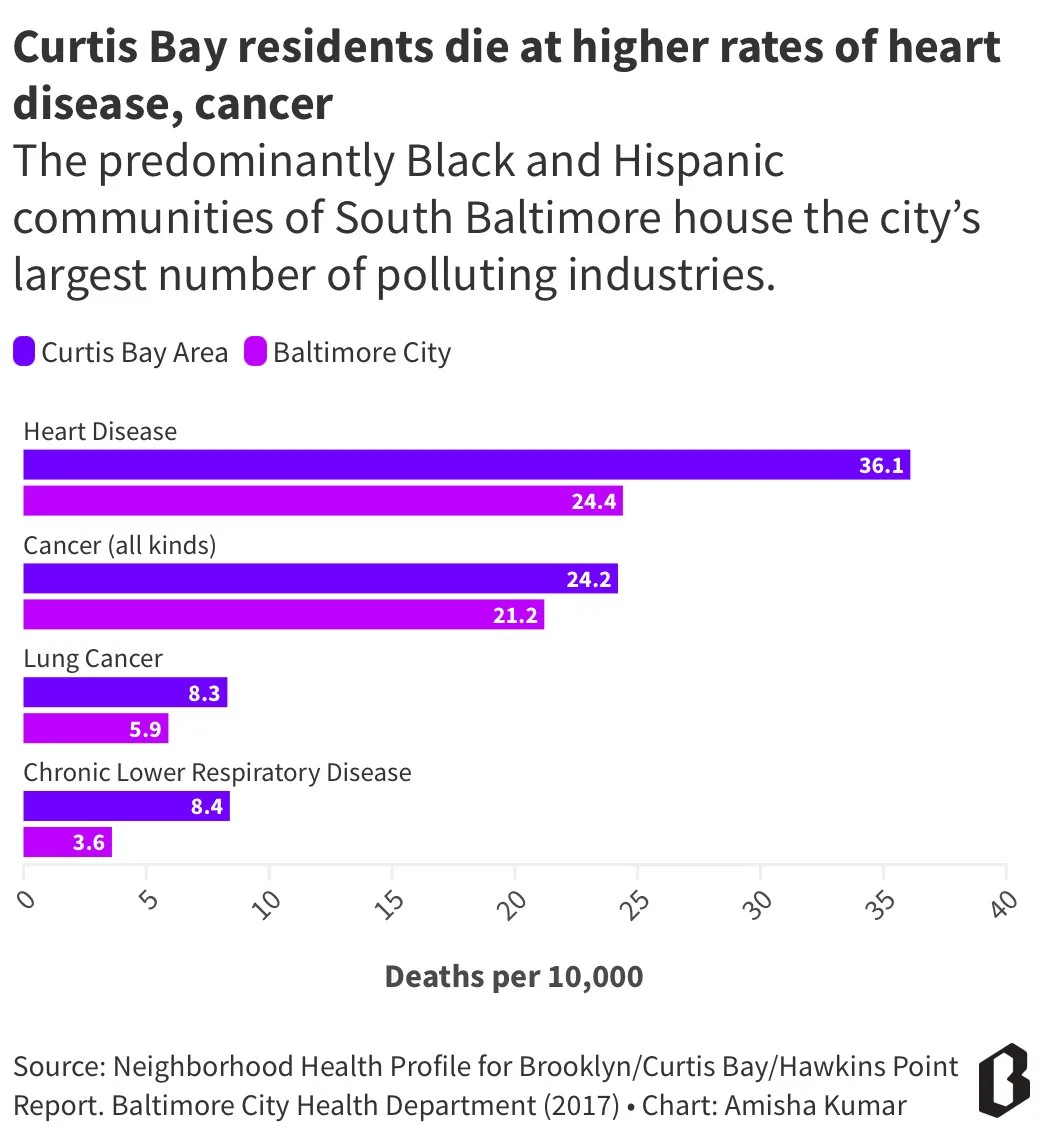
I combined toxicology and public health research, public records, data analysis, and immersive on-the-ground reporting to trace what invisible pollutants do in the body and document the lived realities of Baltimore’s pollution epicenter, Curtis Bay.
I showed how it causes illnesses, mental toll, and lifestyle changes that affect healthy development. Synthesized ongoing legal action, deeply reported narrative anecdotes, and explained complex scientific concepts into accessible explanations, illuminating how pollutants in Curtis Bay’s air contribute to the health harms residents describe.
Context
Solo project from pitch to publication and promotion on socials.
Reporting duration: 3 weeks, while juggling the breaking news cycle
This was the first story where I incorporated door-to-door interviewing into my reporting process. It was intimidating at first, but it allowed me to immerse myself in the community in a way that traditional sourcing couldn't. By spending time with residents on their porches and at local spots throughout the neighborhood, I uncovered anecdotes, observations, and experiences that hadn't appeared in previous coverage of Curtis Bay or the CSX Coal Terminal. Those conversations became some of the story's strongest reporting and helped distinguish it from existing local reporting on the issue.
Tags: Explanatory Narrative · Environmental Health · Data Analysis · Field Reporting
Curtis Bay residents talk about pollution like it’s a neighbor.
You can smell it. See it. Hear it multiply. Feel it.
In South Baltimore, heavy industry and homes exist side by side, a reality shaped by racist zoning decisions dating back to redlining. I was interested in examining how it impacts community health at both the physical and behavioral levels.
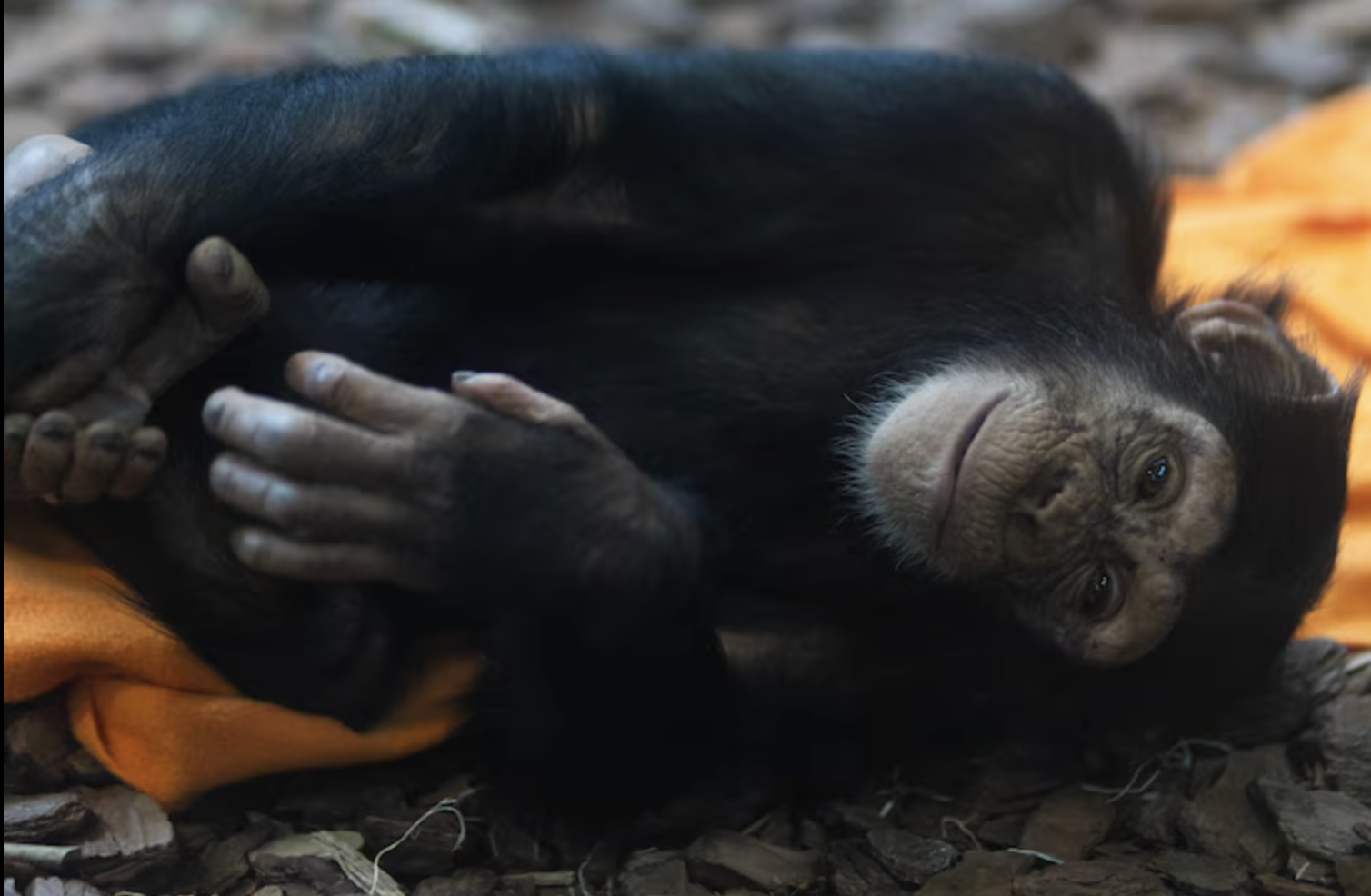
I originally went to the Maryland Zoo to report a quick-turnaround story on the birth of a new baby chimpanzee after the zoo's announcement gained significant attention online.
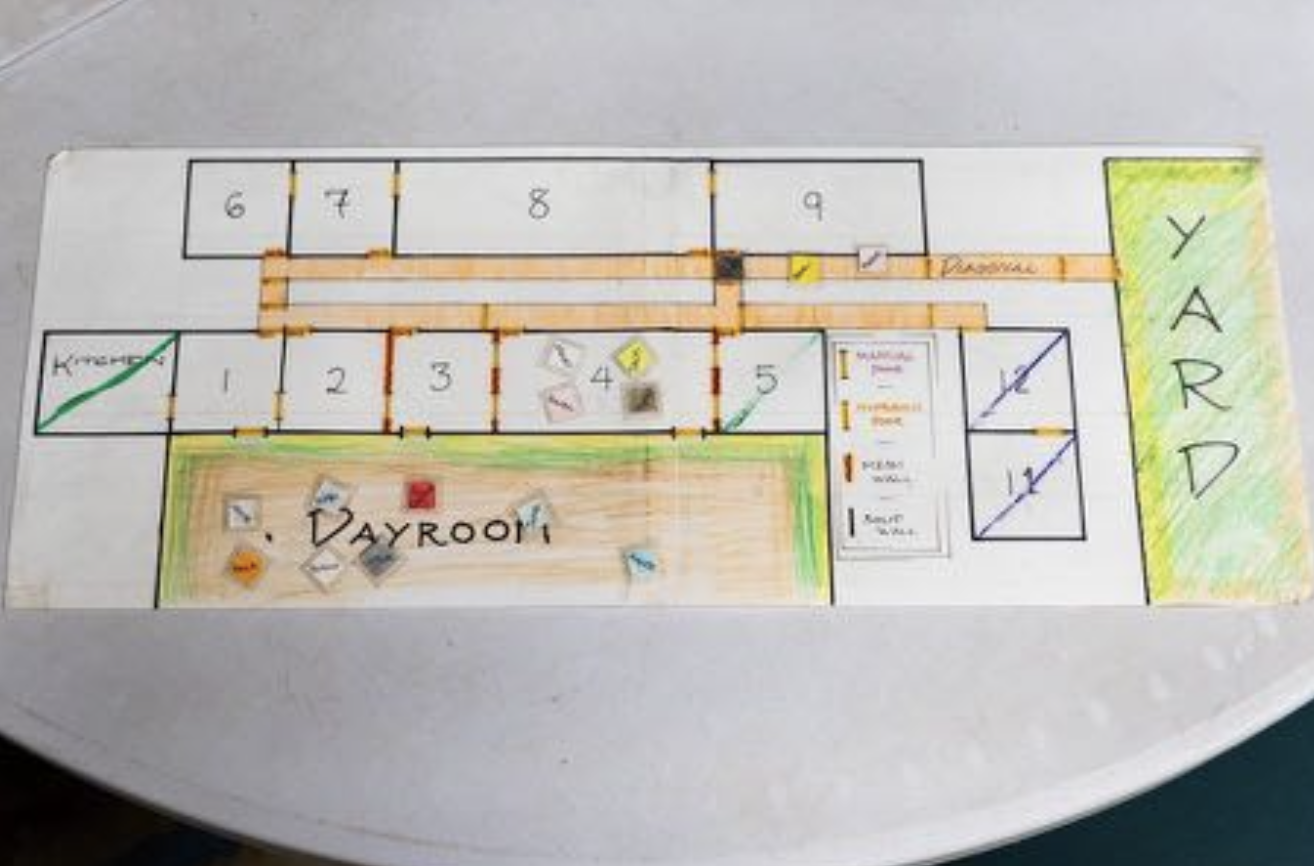
But once I arrived, I noticed something far more interesting: the board game. What looked like a simple game was actually a sophisticated tool for managing troop dynamics, preventing conflict, and supporting chimpanzee development.
Recognizing the stronger story, I pivoted from a routine breaking-news piece to an immersive feature that offered readers a rare behind-the-scenes look at modern ape care.
I spent a day embedded with the keeper team, observing how they manage troop dynamics, navigate conflicts, design enrichment activities, and build relationships with the chimpanzees in their care. Through shadowing, observation, and interviews, I translated the complexities of ape behavior and social hierarchy into an accessible feature that used an intriguing morning ritual to explore the science and strategy behind modern chimpanzee care.
Tags: Feature Writing · Animal Behavior · Shadowing/Immersive Reporting
At the Maryland Zoo, chimpanzee keepers start each day gathered around what looks like a homemade board game.
Using behavioral knowledge expertise and daily observations, they move laminated name cards across a hand-drawn map of the enclosure, carefully planning which chimpanzees will interact that day and which should be kept apart.
Context
Solo project from pitch to publication and promotion on socials. I also wrote the newsletter copy used to promote it in the weekend edition.
Reporting duration: 1 day, while juggling the breaking news cycle
I learned that sometimes the best story isn't the one you pitch or arrive expecting to write. This project reinforced the value of staying curious in the field and recognizing when an overlooked detail can reveal a more interesting story than the news hook that initially brought you there.
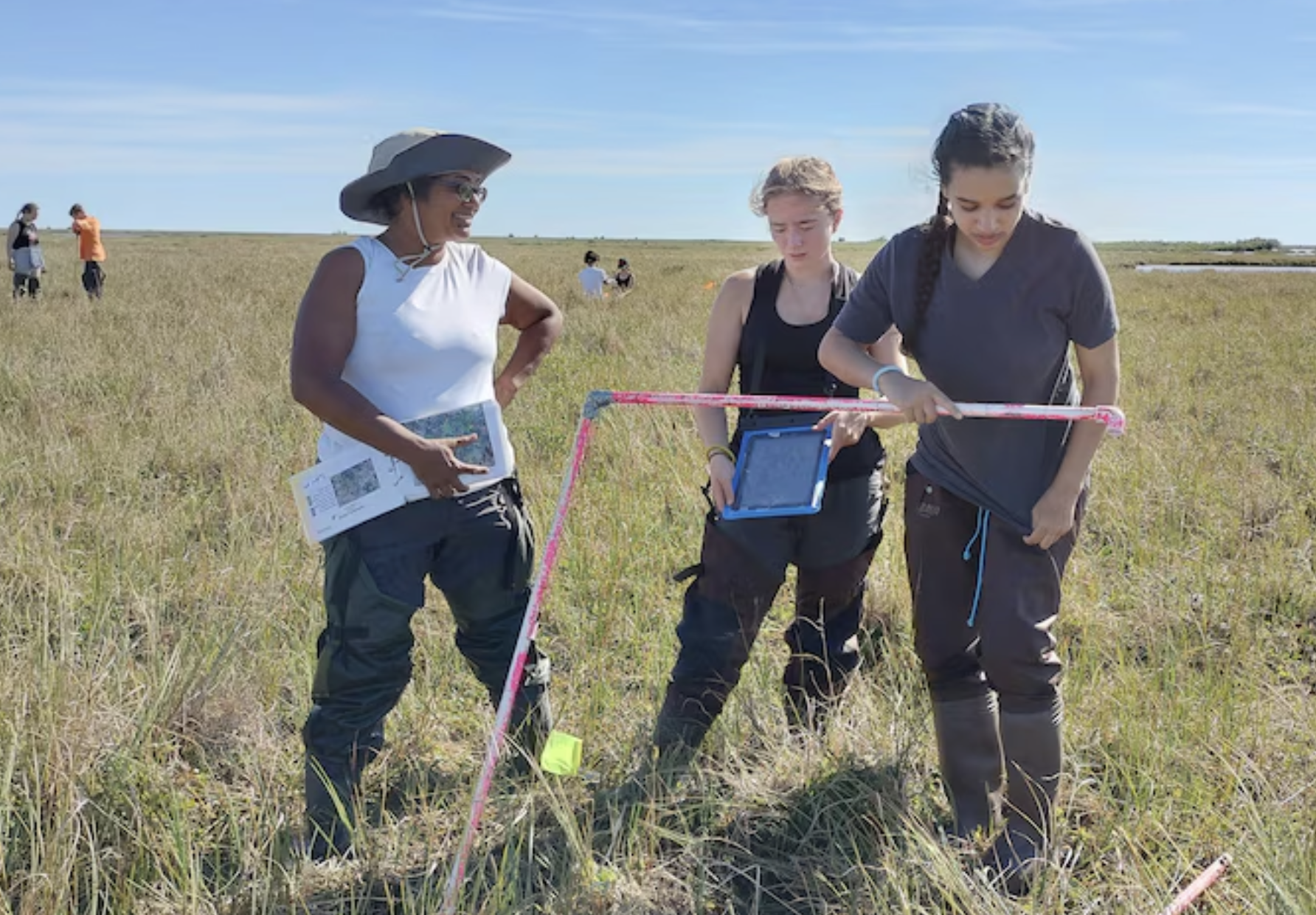
Baltimore high schoolers researching in the Arctic Circle. I interviewed students involved in the research program, all set to travel to the Arctic, capturing their excitement, preparedness, and goals in a feature for local audiences.
I quickly learned interviewing kids involves a different way of questioning and adapted my interviewing technique to redirecting questions in different wording at them multiple times to get full answers, explaining why I’m asking certain questions so they can better understand how to answer them and making them comfortable enough to share details of their days and feelings with me by starting out with small talk since none of these students had ever interacted with journalists before.
Context
Received an email from the school’s principal about the research program
Reporting duration: 1 week, while juggling the breaking news cycle
Tags: Feature Writing · Education· K-12